

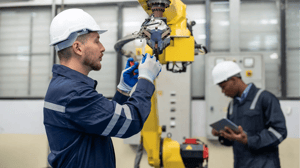
Machine-tending robots are built for long hours, repeatable performance, and steady output. But like any piece of manufacturing equipment, they require regular maintenance to keep running the way your operation depends on them.
A proactive maintenance plan helps manufacturers reduce unplanned downtime, maintain part quality, and maximize the return on their automation investment. The good news is that most maintenance tasks are straightforward and can be incorporated into existing shop-floor routines.
Whether you're operating a single robotic cell or multiple automated CNC machines, these best practices can help keep your machine tending robots operating efficiently for years to come.
Why Preventive Maintenance Matters
Preventive maintenance is one of the simplest ways to protect your automation investment.
When maintenance is delayed, small issues can escalate into larger problems that disrupt production, increase repair costs, and cause unnecessary downtime. Regular inspections and service allow operators and maintenance teams to identify wear, correct issues early, and maintain consistent performance.
Beyond equipment longevity, a well-maintained robot helps support:
- Consistent production output
- Reduced unplanned downtime
- Improved part quality
- Lower repair costs
- More reliable CNC machine utilization
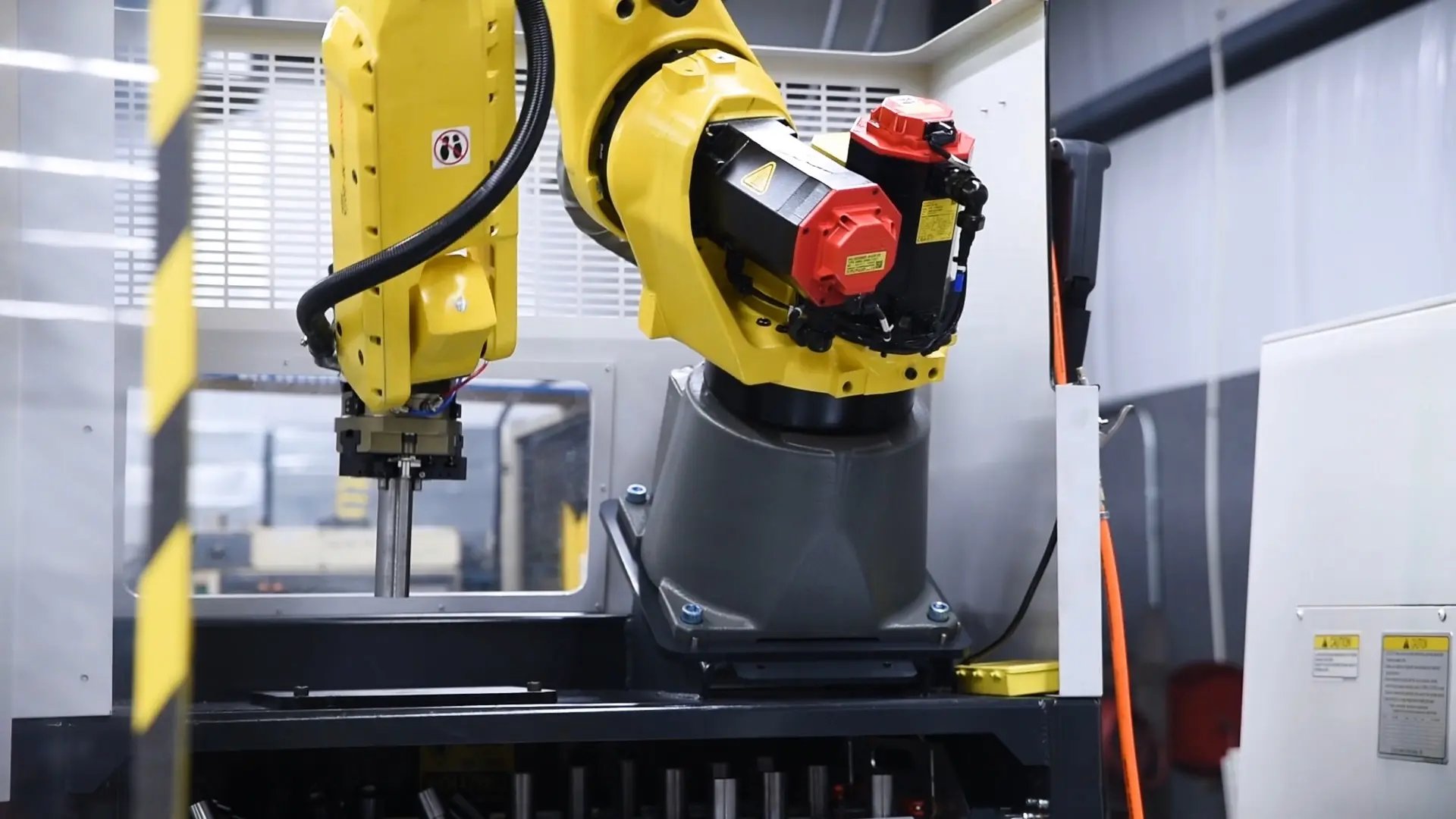
8 CNC Machine Tending Robot Maintenance Tips
Before minor issues become costly repairs, manufacturers should implement a consistent maintenance program for CNC machine-tending robots. The following best practices can help extend the life of your system and keep it operating efficiently while producing consistent results.
1. Follow the Manufacturer's Maintenance Schedule
Every machine-tending robot includes manufacturer-recommended maintenance intervals for inspections, lubrication, adjustments, and component replacement.
Following these schedules helps ensure maintenance is performed before problems arise and keeps the robot operating within its designed specifications.
2. Keep Components Clean
Manufacturing environments expose automation equipment to coolant, chips, dust, and debris that affect performance.
Regular cleaning of exposed surfaces and critical components helps prevent buildup that can impact sensors, moving parts, and overall system performance. Keeping the robot clean and establishing weekly, monthly, and quarterly cleaning routines can significantly reduce long-term wear, leading to smoother operation
3. Inspect Wear Parts Regularly
Components such as belts, gears, seals, and other moving parts naturally wear over time. Routine visual inspections help identify issues before they cause larger problems.
Operators should also watch for:
- Loose hardware
- Leaks
- Excessive vibration
- Damaged cables
- Unusual noises
Addressing these concerns early helps make quick adjustments and avoid unexpected production interruptions.
4. Stay Current with Software Updates
Modern machine tending robots rely on software to manage motion, communication, and system performance.
Manufacturer software updates often include performance improvements, bug fixes, and security enhancements. Keeping the robot's software up to date ensures it continues to operate efficiently and provides access to the latest capabilities.
Before performing updates, always back up existing configurations and programs.
5. Maintain Calibration and Accuracy
Consistent part placement is critical in CNC machine tending operations.
Over time, normal use can cause minor shifts in positioning accuracy. Regular calibration checks help ensure the robot continues to load and unload parts precisely, protecting cycle consistency and part quality.
This becomes especially important in applications requiring tight tolerances.
6. Train Operators on Routine Maintenance
Every highly automated system depends on knowledgeable operators.
Training employees to perform basic inspections, recognize warning signs, and follow maintenance procedures helps identify issues before they escalate. Well-trained operators can often resolve minor issues quickly, reducing service calls and minimizing downtime.
Moreover, regular training ensures compliance with industry safety standards, especially when new safety protocols or regulations are introduced.
7. Monitor Performance Metrics
CNC machine-tending automation generates valuable performance data that can reveal emerging issues before they affect production.
Key metrics to monitor include:
- Cycle time
- Error frequency
- Throughput
- Uptime
- Overall Equipment Effectiveness (OEE)
Changes in performance trends can indicate wear, calibration issues, or maintenance needs that should be investigated before they impact operations.
8. Work with Your Automation Partner
When complex issues arise, your automation provider can be one of your most valuable resources.
Manufacturers and automation partners have extensive knowledge of the equipment and can provide troubleshooting support, replacement recommendations, and service guidance that helps maintain performance and reliability.
How Long Do Machine Tending Robots Last?
The lifespan of a machine-tending robot varies depending on operating hours, production demands, environmental conditions, and maintenance practices.
With a consistent preventive maintenance plan, CNC robots can remain productive for many years while continuing to deliver reliable, repeatable performance. The key is to identify wear early and address issues before they require major repairs.
Protect Your Automation Investment
The best way to maximize a machine-tending robot's lifespan is through routine preventive maintenance.
Regular inspections, cleaning, software updates, operator training, and performance monitoring help keep automation systems running smoothly while supporting production goals and reducing unplanned downtime.
If you need assistance maintaining your machine-tending robotic system, the Automation Within Reach team can help. Whether you're running the Flex Series or a Custom Solution, our automation experts can provide guidance to help you get the most from your investment.
